



Think Your Home is Safe? Mold Might Say Otherwise

cough-snizze-and-smell

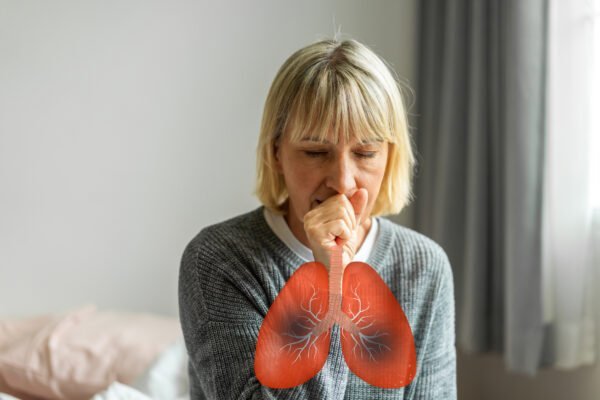
A strange smell in the air, allergies that don’t go away, or that persistent cough with no clear explanation… 

Could there be an invisible enemy lurking nearby? Mold might be compromising your health and the air quality in your home.

One of the most talked-about types is the infamous “black mold.” 

While it’s not necessarily more dangerous than other types, it can trigger reactions like sneezing, nasal congestion, irritated eyes, and even worsen symptoms for asthma sufferers.

what does black mold look like

Did you know
That over 4,700 people searched last month for How To Test Mold at Home? Even so, finding clear answers on how to identify and address the issue can be a challenge.

That’s why we’ve created several practical and direct posts to help you.

Mold Mastery: Test It, Prevent It, Clean It

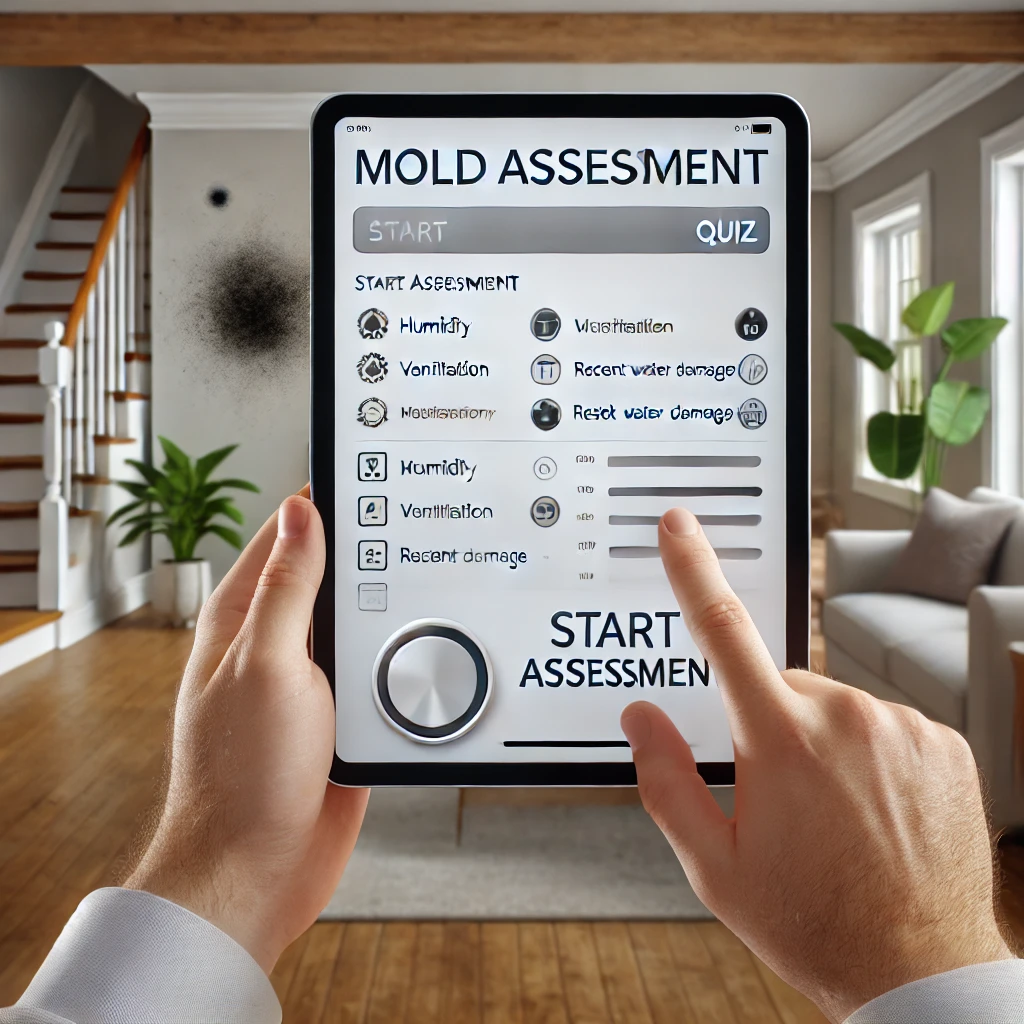
DALL·E-2025-01-19-17.00.02-A-feature-image-for-a-tool-called-Assessment-Mold-Tool.-The-image-showcases-a-modern-clean-home-interior-wi (1)

Quick Steps to Check, Test, and Act!

Suspect mold at home? Learn quick, reliable steps to test and identify mold safely before it spreads..

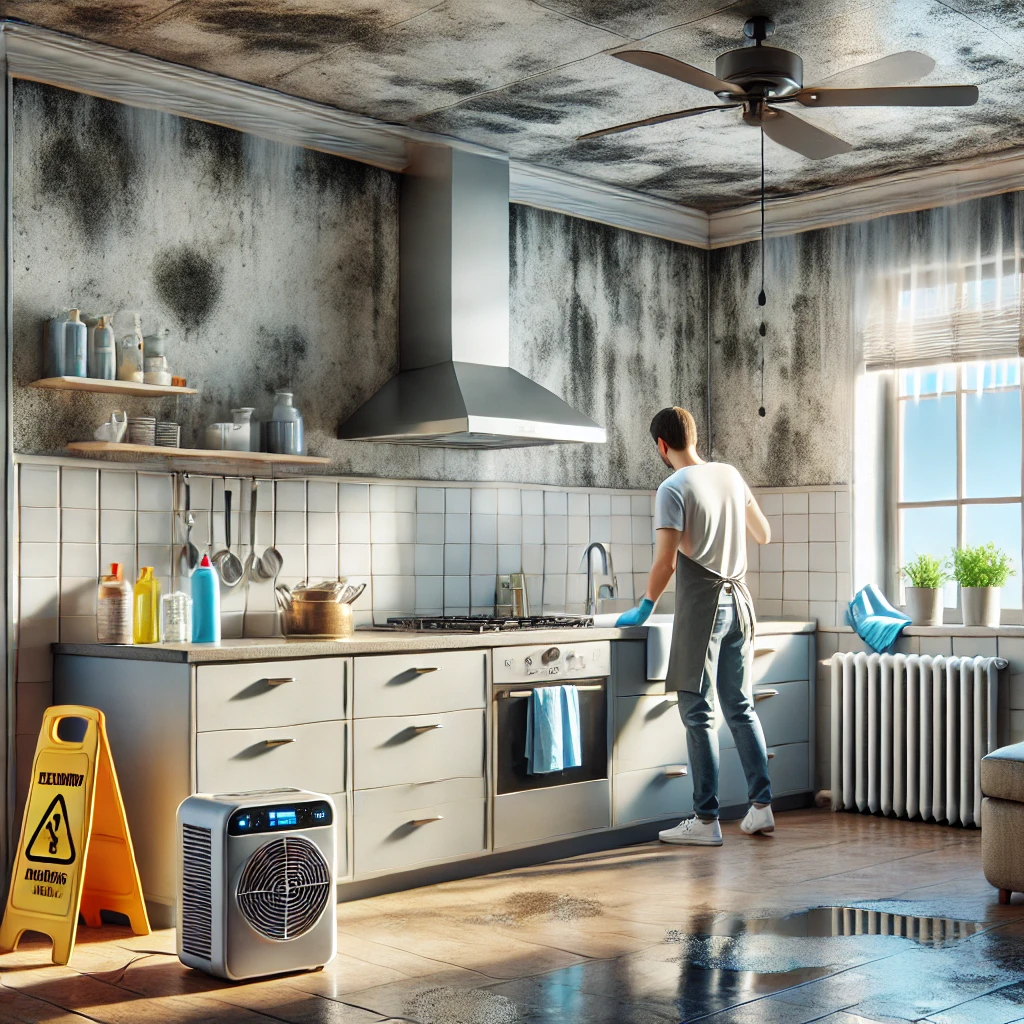
DALL·E-2025-01-19-17.29.11-A-highly-detailed-image-showcasing-a-modern-kitchen-environment-designed-to-prevent-mold-growth.-The-scene-includes-a-well-lit-space-with-a-running-de

Mold-Free Living Starts Here: Learn How to Prevent It for Good!

Stop mold before it starts! Discover essential tips to keep your home dry, clean, and mold-free

tinywow_foto11200_70744335-1

The Secret Weapon Against Mold That Professionals Don’t Want You to Know

The Secret Weapon Against Mold That Professionals Don’t Want You to Know

Mold is a type of natural fungus that helps break down organic matter like leaves or dead trees. However, inside the home, mold can be a serious problem.

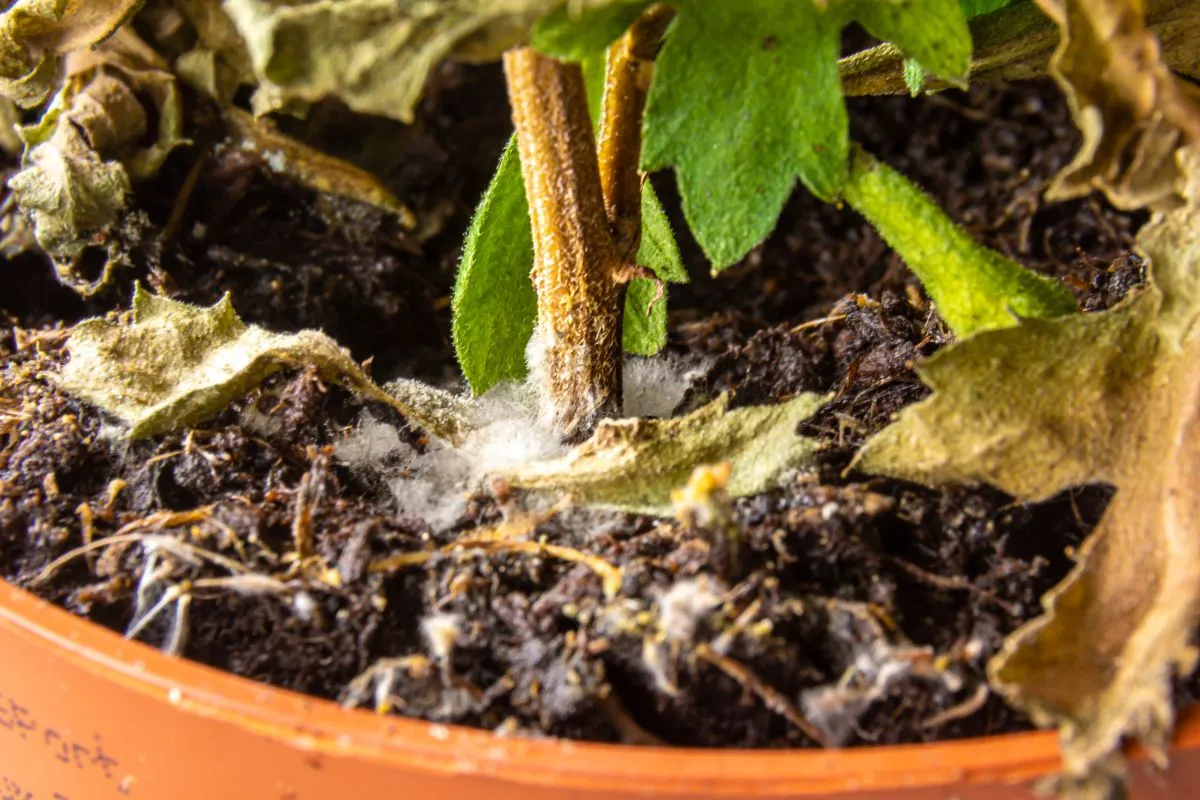
How-Bad-Is-A-Moldy-Plant-Soil

It grows in damp places, like walls, plants, or organic materials. In homes with leaks or high humidity, it can spread quickly, releasing microscopic spores into the air we breathe.

These spores are resilient and can remain in the air for long periods, triggering allergies or respiratory issues even after they are no longer active.

Certain types of mold, such as black mold (Stachybotrys chartarum), are particularly problematic as they can produce mycotoxins, substances known to impact health negatively. 

These toxins may exacerbate symptoms in individuals with asthma or other respiratory conditions.

black mold (Stachybotrys chartarum)

Keeping your home dry and well-ventilated is essential to preventing mold.

Regularly inspecting high-humidity areas, like bathrooms and basements, and addressing leaks promptly can significantly reduce the risk of mold growth.

Complete Your Mold Cleaning Journey

Cleaning-Guide-Tool-Feture-image

Already assessed your mold risk? Take the next step with our Cleaning Guide Tool! Here’s what you’ll get:
✔️ Tailored Solutions: Choose the right cleaning recipe for each surface.
✔️ Step-by-Step Guidance: Easy instructions to tackle mold safely.
✔️ DIY Tips: Affordable and effective solutions using everyday materials.
✔️ Protective Advice: Ensure your safety while cleaning.

10 Warning Signs of Black Mold Toxicity

While “black mold toxicity” is not an official medical diagnosis, studies suggest that prolonged exposure to mold can cause various health problems.

Air-quality-experts

According to experts in air quality and environmental health, symptoms like respiratory difficulties, allergies, and irritations are often associated with frequent exposure to mold spores. Though more research is needed, it’s widely accepted that well-ventilated and dry environments help minimize these risks.

frequent headaches

Frequent and unexplained headaches could be linked to mold exposure in poorly ventilated areas.

Experts in environmental health suggest that chronic exposure to airborne mold spores may trigger inflammatory responses or neurotoxicity, worsening headache patterns over time.

image-004-e1733171104800

Burning sensation or tearing could indicate prolonged exposure to airborne mold spores.

According to medical experts, such exposure may irritate mucous membranes and exacerbate allergic reactions, especially in individuals with pre-existing respiratory conditions like asthma or rhinitis.

Dry Cough

Especially in damp environments, mold spores can cause respiratory irritation.

Medical research highlights that prolonged exposure may lead to inflammation in the respiratory tract, increasing the risk of asthma-like symptoms and chronic bronchitis.

extreme fatigue, eaxustion

Exhaustion that persists despite rest may be a sign of prolonged mold exposure.

Experts suggest that mold-related fatigue may result from inflammatory responses affecting the central nervous system, disrupting sleep patterns and energy levels.

image-010-e1733171042847

Unexplained red spots or itching can sometimes result from mold exposure.

Dermatologists note that mold spores may trigger allergic skin reactions, especially in individuals with sensitive or pre-existing skin conditions.

image-012-e1733171019364

Persistent nasal congestion or sinusitis, often mistaken for seasonal allergies, can be a warning sign.

ENT specialists report that prolonged mold exposure may inflame nasal passages, leading to chronic sinus infections.

Brain Fog

A feeling of mental fog or difficulty concentrating may be linked to mold exposure.

Neurologists suggest that mycotoxins produced by mold may interfere with cognitive function and create a sense of disorientation.

image-016-e1733170761354

Allergies that worsen at home but improve elsewhere may indicate mold presence.

Allergists emphasize that heightened symptoms at home could result from prolonged exposure to airborne mold spores.

image-018-e1733170974243

Unexplained muscle or joint pain, fluctuating in intensity, can sometimes be associated with mold.

Medical studies link chronic mold exposure to systemic inflammation, potentially affecting muscles and connective tissues.

image-021-e1733170941149

Digestive issues like nausea or diarrhea might be linked to long-term mold exposure.

Gastroenterologists highlight that ingested mold-contaminated food or air can irritate the gastrointestinal tract, causing symptoms such as cramping and bloating.

No rush, no pressure.

Our content is always open to you. However, if you’d like to stay closer to our team, just sign up with your email.

What Does Black Mold Look Like?

what does black mold look like

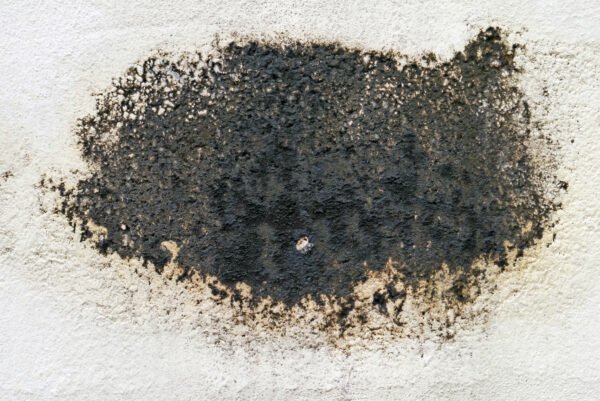
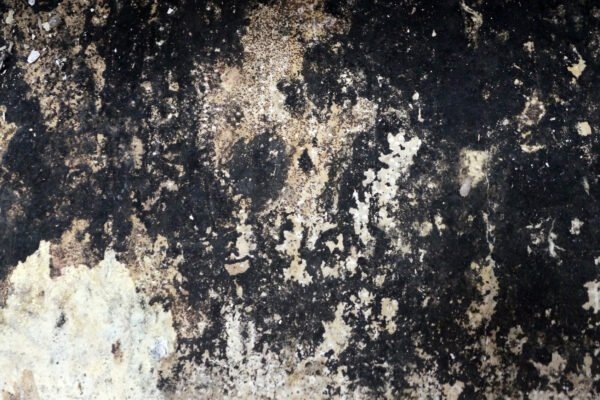
Black mold (Stachybotrys chartarum) has a dark appearance, ranging from deep green to black. It grows in very humid environments, especially after floods or in areas that have been slow to dry.

The spots usually have a circular pattern, varying between small dots (less than 2.5 cm) to large clusters. However, the color of the mold doesn’t necessarily indicate how dangerous it is.

black mold (Stachybotrys chartarum)

Have you taken your free test yet?

Mold-Assessement-tool-featureimage

Before investing in professional solutions, try our exclusive mold assessment tool!
✔️ Free and easy to use
✔️ Generate and save personalized reports
✔️ Get a detailed analysis of your home in minutes
With just a few clicks, you’ll be ready to make informed decisions and protect your space. Don’t wait – try it now and see the results for yourself!

Exposure to Black Mold

image-025-e1733170894739

Exposure to mold can pose significant risks, especially for children, the elderly, and individuals with respiratory issues.

According to the Mayo Clinic, prolonged exposure can lead to severe respiratory irritations, such as allergic rhinitis or asthma attacks, and is associated with recurring allergies.

Studies also show that certain types of mold, like Stachybotrys chartarum, can produce mycotoxins—substances that, in high concentrations, affect the immune system and increase the risk of infections.

In children, exposure has been linked to higher rates of chronic respiratory symptoms, such as persistent coughing and difficulty breathing.

image-026-e1733170885958

Although rare, neurological symptoms may also occur in severe cases of exposure, including dizziness and cognitive difficulties.
Common signs to watch for include:

  • Respiratory difficulties and severe allergies.

  • Persistent irritations in the eyes or throat.

  • In more severe cases, neurological problems like dizziness or mental confusion.

If you suspect black mold is present, don’t delay! Learn the steps to test and identify mold in your home in a practical and safe way.

DALL·E-2025-01-19-17.00.02-A-feature-image-for-a-tool-called-Assessment-Mold-Tool.-The-image-showcases-a-modern-clean-home-interior-wi (1)

Quick Steps to Check, Test, and Act!

Suspect mold at home? Learn quick, reliable steps to test and identify mold safely before it spreads..

tinywow_foto11200_70744335-1

The Secret Weapon Against Mold That Professionals Don’t Want You to Know

The Secret Weapon Against Mold That Professionals Don’t Want You to Know

In Conclusion

Mold doesn’t have to be an invisible threat. With the right knowledge and tools, you can take control of your home’s safety and your family’s health. Identifying and addressing mold early prevents it from becoming a more serious problem, ensuring a cleaner, healthier environment for everyone.

Don’t wait for symptoms to worsen or damage to escalate—act today! Explore our comprehensive guides below to start making your home mold-free:

Your health and your home are worth it. Take the first step now and reclaim your peace of mind.

DISCLAIMER

The advice, how-to guides, and tips on our blog are based on thorough research of free solutions available online. Our goal is to provide helpful and accessible information, but we emphasize that we are not professionals. Always consult a qualified expert for specific guidance and to ensure your safety.


Publicado

em

por

Etiquetas: