
How to Test for Mold in Your House

Have you ever wondered if your home might harbor hidden mold? You’re not alone. Mold is a sneaky invader that can compromise your health and your home without you even realizing it. From musty odors to unexplained health symptoms, the signs of mold can be subtle but dangerous. Let’s help you uncover the truth and take control of your living environment.

00:00 / 00:00

Our Free and Easy Solution

Finding mold doesn’t have to break the bank. You can start with these simple and effective steps, designed to give you peace of mind and actionable results. From straightforward home remedies to practical tips, you’ll find easy ways to uncover potential mold problems without spending a fortune or requiring professional assistance.

Have you taken your free test yet?

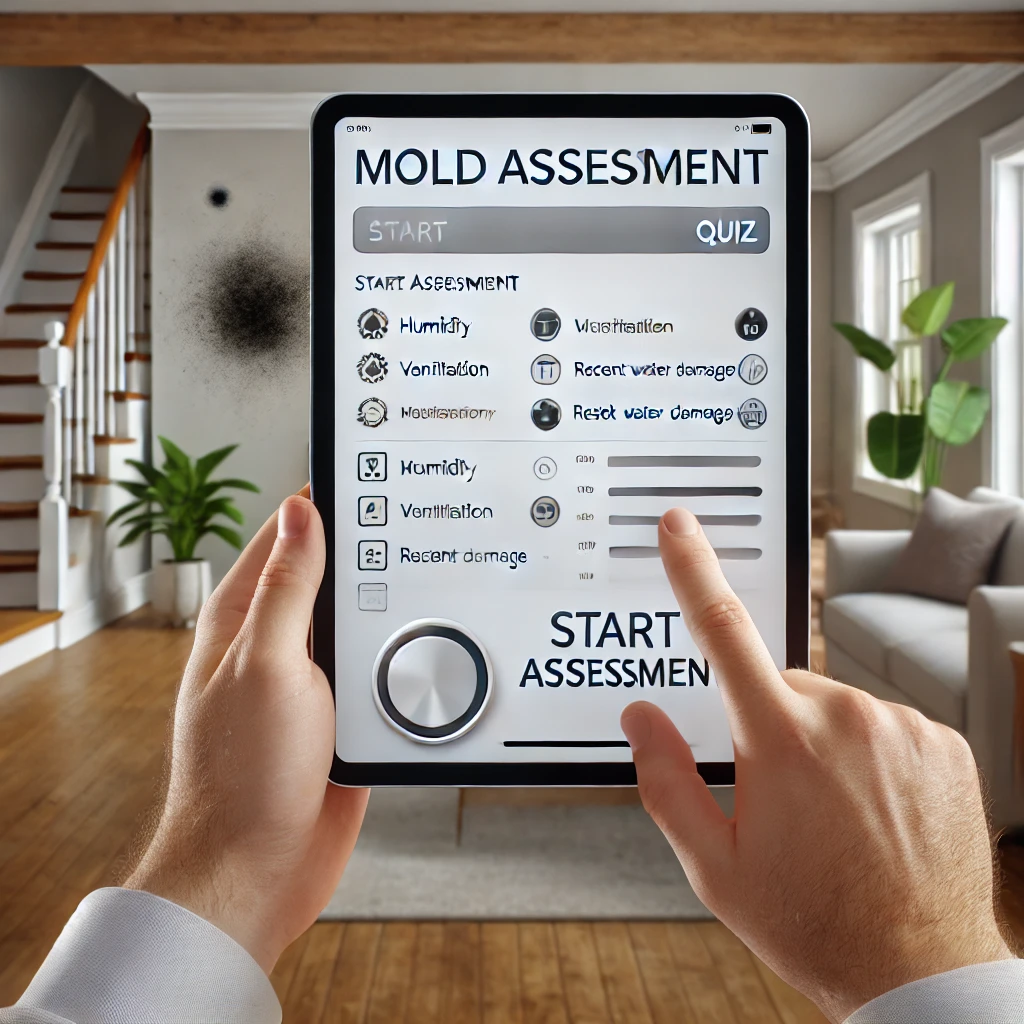
Mold-Assessement-tool-featureimage

Before investing in professional solutions, try our exclusive mold assessment tool!
✔️ Free and easy to use
✔️ Generate and save personalized reports
✔️ Get a detailed analysis of your home in minutes
With just a few clicks, you’ll be ready to make informed decisions and protect your space. Don’t wait – try it now and see the results for yourself!

Quick Visual Inspection

A basic method to detect mold visually by examining areas prone to dampness and poor ventilation.

Inspect common areas such as bathrooms, basements, and behind furniture for discoloration, stains, or visible growth. Use a flashlight to check hidden corners.

If you notice black, green, or white spots, or peeling paint in damp areas, it could indicate mold. Pay attention to recurring discoloration even after cleaning.

Smell Test

Mold smells damp and musty, like wet dirt or old wood. It’s an easy way to notice if there might be a problem.

Sniff around humid spots, like windows, basements, or under carpets. Focus on areas that stay wet.

If you smell something strong and musty that doesn’t go away, it could mean mold is nearby.

Ventilation Test

Checking airflow to find areas where moisture builds up, which mold loves.

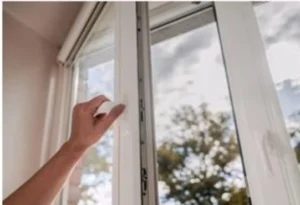
Look at rooms with little air movement, like basements or bathrooms. Check for wet air or foggy windows

If you see water on windows or walls, or feel stuffy air, mold might be nearby.

Moisture Test

A simple way to check if surfaces are too damp, which encourages mold growth.

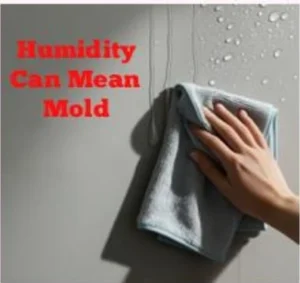
Take a dry cloth and gently press it against suspect areas to feel for moisture. 

If the cloth comes back damp, there may be hidden mold.

Vinegar Test

Using vinegar to find mold on surfaces naturally.

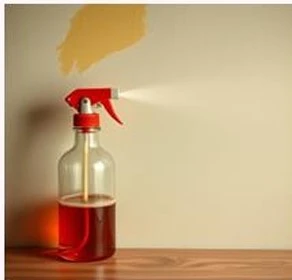
Put vinegar on the area and wait a few minutes. Smell it and watch for changes.

If the smell stays or the surface bubbles, mold could be present.

No rush, no pressure.

Our content is always open to you. However, if you’d like to stay closer to our team, just sign up with your email.

These tools are designed to empower you with actionable insights so you can protect your family and your home.

Most Common Areas Where Mold Appears

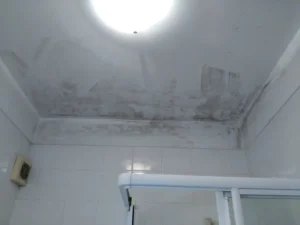
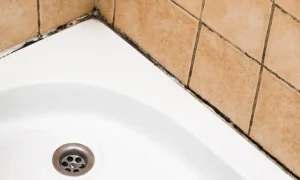
Bathrooms

Bathrooms are prime spots for mold due to high humidity and frequent water use.

Inspect around the shower, bathtub, toilet, and sinks. Look for dark stains in the grout, tiles, or corners.

Mold often appears as black or brown spots in damp areas. Persistent mold may spread if left untreated.

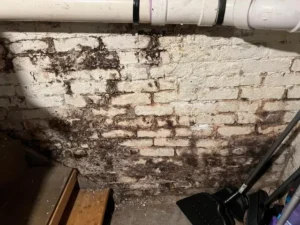
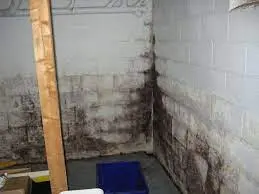
Basements

Basements often have poor ventilation, which traps moisture and encourages mold growth.

Look at walls, corners, and areas near pipes or water heaters. Check for damp patches or peeling paint.

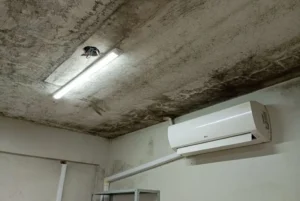
Mold may appear as dark streaks or patches on concrete walls or floors

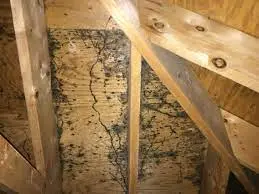
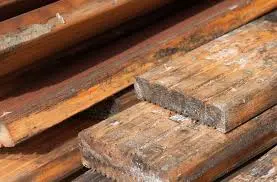
Attics

Roof leaks and poor airflow can cause mold to grow in attics, especially on wooden surfaces

Inspect wooden beams, insulation, and plywood for discoloration or musty smells.

Mold often looks like dark spots or streaks on wood and may spread quickly if the leak persists

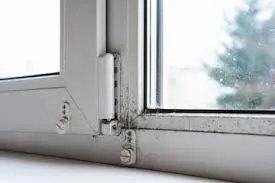
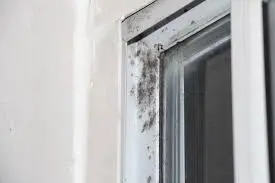
Windows

Condensation on windows can lead to mold growing on frames, sills, and surrounding areas.

Look for dark spots or moisture buildup around the window edges and sills.

Mold usually appears as small black dots or streaks where water collects.

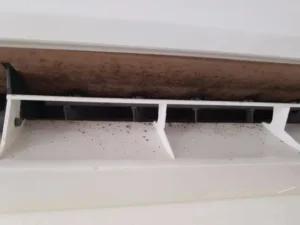
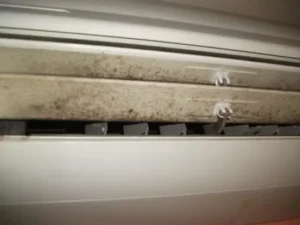
Air Conditioners

Moisture inside air conditioning units creates a breeding ground for mold.

Open the air conditioner vents and inspect for black spots or dust buildup.

Mold appears as black or dark gray patches inside vents or filters.

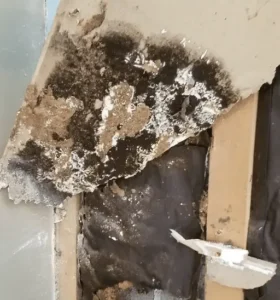
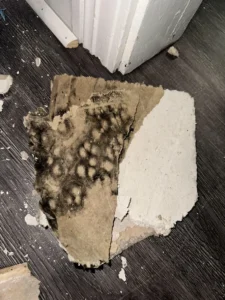
Drywall

Drywall absorbs moisture, especially in humid areas, making it an easy spot for mold to grow.

Look for discolored spots, peeling paint, or crumbling drywall.

Mold on drywall looks like large, dark patches and may cause the wall to feel soft or weak.

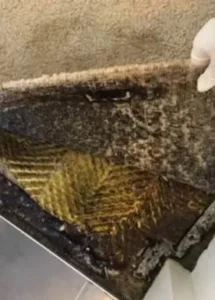
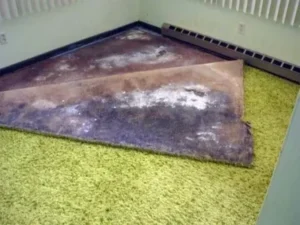
Carpets

Damp carpets or those exposed to water create a perfect environment for mold.

Lift the carpet edges and inspect underneath for dark stains, musty smells, or moisture.

Mold under carpets often looks like fuzzy, dark patches and has a strong smell.

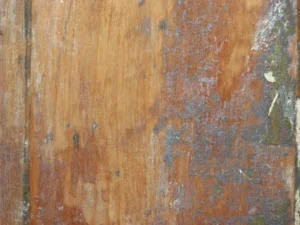
Wood

Wood is organic and provides a food source for mold when moisture is present.

Examine wooden surfaces, including beams, floors, and furniture, for discoloration or musty odors.

Mold on wood appears as dark, streaky patches and can cause the wood to weaken or rot.

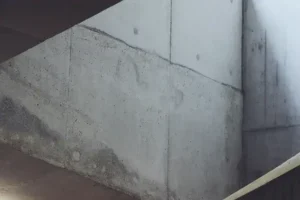
Concrete

Damp concrete, often found in basements, can harbor mold if water seeps in.

Inspect concrete walls, floors, and ceilings for dark streaks, discoloration, or moisture buildup

Mold on concrete looks like dark patches and often grows in areas with poor ventilation.

Complete Your Mold Cleaning Journey

Cleaning-Guide-Tool-Feture-image

Already assessed your mold risk? Take the next step with our Cleaning Guide Tool! Here’s what you’ll get:
✔️ Tailored Solutions: Choose the right cleaning recipe for each surface.
✔️ Step-by-Step Guidance: Easy instructions to tackle mold safely.
✔️ DIY Tips: Affordable and effective solutions using everyday materials.
✔️ Protective Advice: Ensure your safety while cleaning.

Finish Your Mold Test with Confidence!

You’ve taken the first step to uncover hidden mold in your home. Now, take it a step further!
Use our Mold Risk Assessment Tool to track your findings, identify high-risk areas, and ensure nothing is missed.
This printable checklist will make testing simple and effective.

Our Purchase Solution

You’ve taken the first step to uncover hidden mold in your home. Now, take it a step further!
Use our Mold Risk Assessment Tool to track your findings, identify high-risk areas, and ensure nothing is missed.
This printable checklist will make testing simple and effective.

Did you know there is also the option to buy more professional testing products online? After extensive research and analysis , we have selected the best products on the market for this purpose.

These kits are reliable and affordable , allowing you to confirm the presence of mold and identify the specific type. Here are some Solutions we recommend:

GotMold

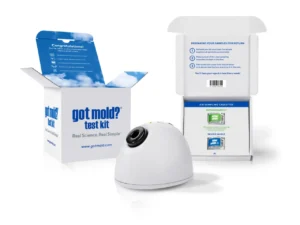
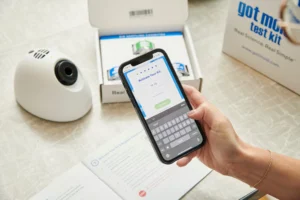
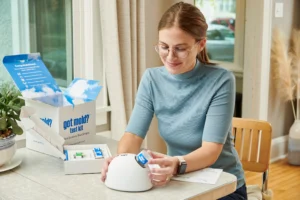
The Got Mold? kit is a comprehensive mold testing solution designed for home use. Here are its key features:

  • Allows air testing in 1, 2, or 3 rooms to detect the presence of mold.
  • Uses the same air sampling method as professionals, known as “spore traps.”
  • Includes certified lab analysis and standard shipping with no hidden fees.
  • Collection and shipping of samples take just a few minutes.
  • Results are provided in an intuitive color-coded report, showing types and quantities of mold detected.
  • Recommended by doctors for patients with allergies, asthma, or sinus issues.
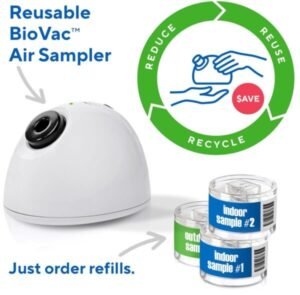
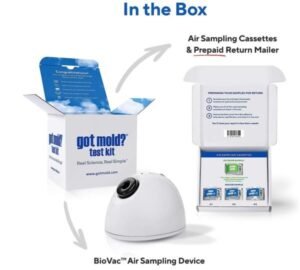
  • The kit contains Air-O-Cell® cassettes (spore traps) and a reusable BioVac air sampler.
  • Samples are analyzed by microbiologists who identify up to 245 different spore categories.
  • Results are classified into green (non-evident), yellow (mild evidence), orange (moderate evidence), and red (significant evidence).
  • The company offers a lifetime warranty, unlimited use, and affordable refill options.

Discover the Got Mold process here

  1. The kit includes a reusable BioVac™ air sampler and Air-O-Cell® cassettes (spore traps).
  2. Users collect air samples from 1, 2, or 3 rooms in their home. Each sample takes just 5 minutes to collect.
  3. Air is drawn through the cassettes, capturing microscopic particles and spores.
  4. After collection, samples are sent for lab analysis using the prepaid envelope included in the kit.
  5. Microbiologists analyze the samples under a microscope, identifying and counting the types of spores present.
  6. Results are processed through software to determine if there are unusual types or amounts of indoor mold.
  7. A detailed report is generated within a week, providing analysis of the mold types and quantities found in each sample.
  8. Results are displayed in a color-coded format:
    • Green: Non-evident
    • Yellow: Slightly evident
    • Orange: Moderately evident
    • Red: Significantly evident

This testing method uses the same air sampling technology as professionals, ensuring reliable and user-friendly results for homeowners.

The Got Mold? kit can identify a wide range of mold types, including the most common found in indoor environments. While not all mold types are listed, here are some examples:

  • Cladosporium: One of the most common indoor mold types.
  • Penicillium: Frequently found in homes.
  • Aspergillus: Commonly present indoors.
  • Stachybotrys chartarum: Known as “black mold,” it is a toxic fungus with significant health risks.

The kit uses certified lab analysis to identify up to 245 different spore categories, ensuring comprehensive detection. Results are provided in an intuitive, color-coded report that specifies the mold types and quantities in each sample.

  • Professional-grade air sampling pump collects 75 liters of air per sample.
  • Simple three-step process for sample collection and analysis.
  • Prepaid lab analysis included, ensuring no extra fees.
  • Reusable components provide long-term value.
  • Detailed reports highlight allergenic potential and specific mold species detected.
  • Recommended for allergy sufferers, homeowners, and property managers.

My Mold Detective Kit

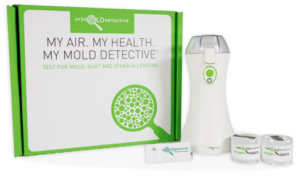
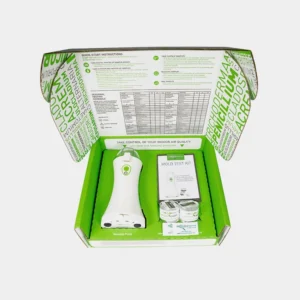
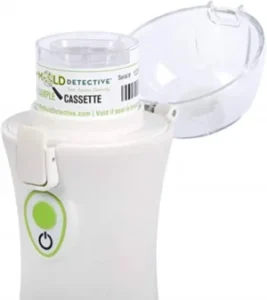
The My Mold Detective kit is a professional-grade mold detection solution for home use. Here are its main components and features:

  • Includes an electric air sampling pump, two air sampling cassettes, and two adhesive strips for surface samples.
  • Comes with a prepaid envelope for lab submission.
  • Utilizes advanced mold detection technology used by professionals.
  • Allows testing of both indoor and outdoor air quality.
  • Features lab analysis conducted by an AIHA-accredited laboratory.
  • Simple three-step process for ease of use.
  • Each sample collects 75 liters of air for precise analysis.

The My Mold Detective testing process involves the following steps:

  1. Collecting Samples:

    • Outdoor sample: Collect an outdoor air sample at least 3 meters away from structures and 1 to 1.5 meters above the ground.

    • Indoor samples: Collect air samples from specific rooms or areas of concern.

    • Surface samples: Use the adhesive strips to test suspicious areas directly.

  2. Sampling Process:

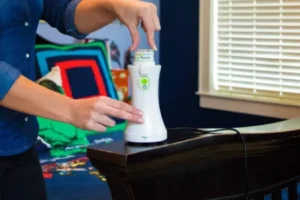
    • Insert the air cassette into the electric pump.

    • Press the start button to begin the sampling process.

    • The pump automatically collects 75 liters of air in 5 minutes per sample.

  3. Post-Collection:

    • Seal the cassettes using the provided labels.

    • Label each sample with its respective location.

  4. Register and Submit:

    • Register the samples online via the My Mold Detective website.

    • Place the labeled cassettes in the prepaid envelope provided.

    • Send the samples to the accredited laboratory for analysis.

  5. Analysis and Results:

    • Samples are examined under a microscope by lab specialists.

    • A detailed report is emailed within a few days.

    • Results are presented in a color-coded format indicating mold levels:

      • Green: Normal

      • Yellow: Slightly Elevated

      • Red: Elevated

    • The kit also includes recommendations for further action if necessary.

The My Mold Detective kit can detect a wide variety of mold species commonly found indoors and outdoors, including:

  • Aspergillus
  • Penicillium
  • Cladosporium
  • Fusarium
  • Alternaria
  • Stachybotrys (Black Mold)

The lab report provides detailed information about:

  • Mold spore concentrations (Normal, Slightly Elevated, or Elevated).
  • Specific mold species present in the samples.
  • Allergenic potential of the identified molds.
  • Toxins potentially produced by the detected molds.

This kit also enables comparisons between indoor and outdoor mold levels, making it easier to identify contamination sources within enclosed spaces.

  • No lab shipping delays—results delivered faster than traditional methods.
  • Saves time and money compared to hiring professionals.
  • Provides clear, actionable results with a user-friendly color-coded report.
  • Detects a broad spectrum of mold types, ensuring comprehensive indoor air quality evaluation.
  • Compact and portable design allows convenient home testing.
  • Trusted by health professionals for its accuracy and reliability.

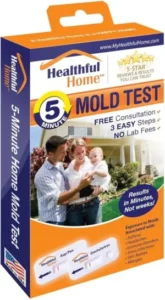
The Healthful Home 5-Minute Mold Test

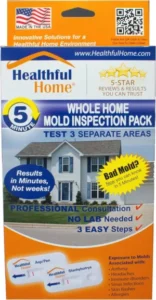
The Healthful Home 5-Minute Mold Test is an innovative and quick home mold testing kit. Here are its standout features:

  • Detects over 32 species of harmful mold, including those linked to water damage and health risks.
  • Designed for indoor air quality and health concerns, focusing on significant mold types rather than harmless background molds.
  • Uses patented technology licensed by the U.S. Public Health Service.
  • Up to 100 times more sensitive than conventional rapid tests.
  • Provides results in just 5-10 minutes, eliminating the need for lab analysis.
  • Developed by Alexeter Technologies and validated by an EPA-accredited laboratory.

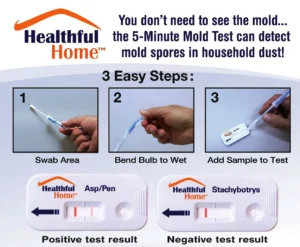
Testing with the Healthful Home kit is as easy as 1-2-3:

  1. Sample Collection:

    • Use the included swab to collect dust from horizontal surfaces like door frames, picture frames, or shelves.

    • Ideal for visible mold areas or locations where hidden mold is suspected.

  2. Test Preparation:

    • Insert the swab back into its plastic casing.

    • Squeeze the bulb to release the testing liquid.

    • Gently shake to mix the sample with the liquid.

  3. Performing the Test:

    • Place five drops of the liquid onto each test strip.
    • Wait 5-10 minutes for results.
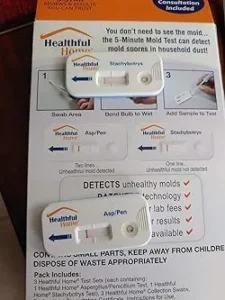
    • Interpret the results:
      • One line: Negative
      • Two lines: Positive for harmful molds

The test identifies over 32 species of harmful mold, including:

  • Aspergillus species (e.g., Aspergillus flavus, fumigatus, niger)
  • Penicillium species
  • Stachybotrys species (commonly known as toxic black mold)

This focus on harmful molds ensures that the test delivers actionable insights for improving indoor air quality and addressing potential health risks.

  • No lab shipping required—get results at home in minutes.
  • Saves hundreds of dollars on professional inspections.
  • Detects mold spores even in household dust.
  • Includes a free professional consultation if results are positive.
  • Easy-to-use design with a simple three-step process.
  • Available in single kits or packs of three for a complete home inspection.

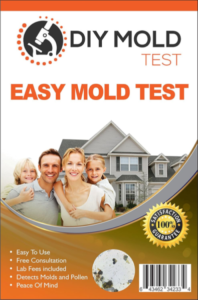
DIY Mold Test

The DIY Mold Test Kit is an affordable and user-friendly solution designed for surface mold detection. Here are its main features:

  • Designed specifically for detecting mold on surfaces, not for air quality testing.
  • Includes two surface testing kits using adhesive tape sampling.
  • Comes with a Quick Start Guide and an inspection booklet for easy sample collection.
  • Includes detailed lab analysis with no additional lab fees.
  • Provides a comprehensive illustrated report with results.
  • Offers a consultation with mold experts to discuss findings and recommendations.
  • Detects all types of mold, ensuring thorough surface analysis.
  • Cost-effective alternative to professional inspectors, saving hundreds of dollars.

The DIY Mold Test Kit works through an easy, step-by-step process designed for homeowners:

  1. Collect Surface Samples:

    • Use the adhesive tape provided in the kit to collect samples from visible mold spots or suspicious surfaces.

    • Follow the Quick Start Guide and inspection booklet for safe and precise collection.

  2. Send Samples to the Lab:

    • Place the collected samples in the provided envelope and send them to the certified laboratory.

    • Lab fees are already included, so there are no hidden costs.

  3. Lab Analysis:

    • The laboratory performs a thorough analysis to identify all types of mold present in the samples.

  4. Receive Results and Consultation:

    • You will receive a detailed and illustrated lab report outlining the mold types detected.

    • The report highlights the findings clearly, and a consultation with mold experts is included to help interpret the results and provide further recommendations.

The DIY Mold Test Kit is capable of detecting a wide variety of mold types commonly found on surfaces. While the kit focuses on surface testing (not air quality), it provides a thorough analysis of mold species, including:

  • Aspergillus
  • Penicillium
  • Cladosporium
  • Fusarium
  • Alternaria
  • Stachybotrys (black mold)

The lab report ensures no type of mold goes undetected, offering peace of mind by identifying potential health risks and toxic molds.

  •  Designed for homeowners to test surfaces without professional assistance.
  •  Includes a Quick Start Guide and inspection booklet for simple, safe sample collection.
  •  Identifies all types of mold present on the collected samples.
  •  Lab results come with clear illustrations for easy interpretation.
  •  Included consultation with mold specialists for guidance and recommendations..
  •  Reports are delivered promptly, with many customers reporting quick turnaround times.
  •  The product is environmentally conscious, with measured, reduced, and offset carbon emissions.

We are not mold experts, but we’ve spent countless hours researching and gathering the best solutions to help you. From easy-to-use DIY kits to professional testing options, our goal is to provide tools that actually work for everyone. Whether it’s a simple DIY kit or a professional test, these options will help you figure out if there’s mold and what to do about it. You don’t need to spend a lot of money to get started—there’s a solution here for everyone.

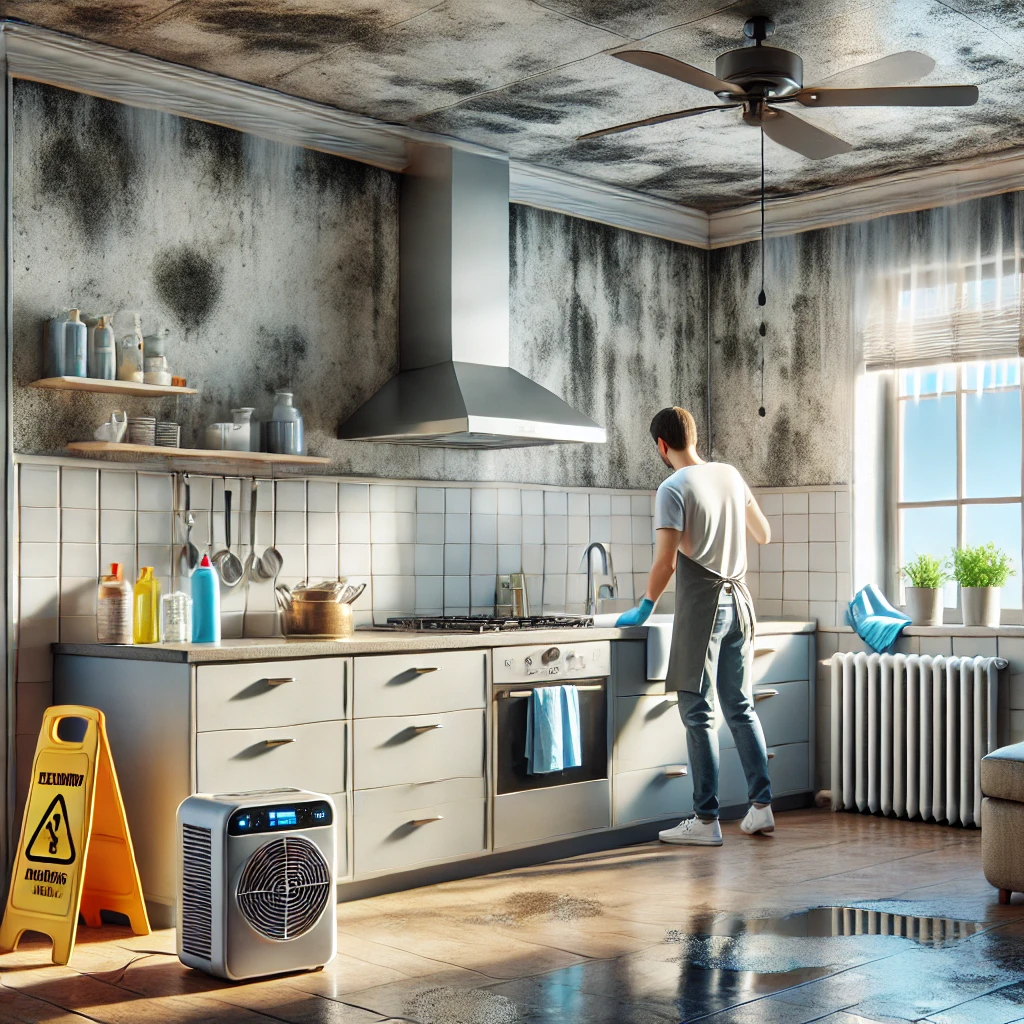
To effectively address mold issues, it’s crucial to both clean existing mold and implement preventive measures:

DALL·E-2025-01-19-17.29.11-A-highly-detailed-image-showcasing-a-modern-kitchen-environment-designed-to-prevent-mold-growth.-The-scene-includes-a-well-lit-space-with-a-running-de

Mold-Free Living Starts Here: Learn How to Prevent It for Good!

Stop mold before it starts! Discover essential tips to keep your home dry, clean, and mold-free

tinywow_foto11200_70744335-1

The Secret Weapon Against Mold That Professionals Don’t Want You to Know

The Secret Weapon Against Mold That Professionals Don’t Want You to Know

If you suspect black mold is present, don’t delay! Learn the steps to test and identify mold in your home in a practical and safe way.

Whether you choose DIY methods or professional services, addressing mold promptly is essential. For minor infestations, our guide on How to Clean Mold offers practical steps, while How to Prevent Mold helps ensure it doesn’t return. If you think your home is safe, you might want to reconsider—hidden mold can be a serious issue, as we discuss in our post Think Your Home is Safe? Mold Might Say Otherwise?. Additionally, mold damage can have financial consequences that your insurance may not fully cover, as revealed in The Secret Insurance Doesn’t Want You to Know.

The extent of mold contamination dictates the approach—small areas can often be managed independently, but extensive growth may require professional intervention. Prioritizing mold management safeguards both your health and property.

DISCLAIMER

The advice, how-to guides, and tips on our blog are based on thorough research of free solutions available online. Our goal is to provide helpful and accessible information, but we emphasize that we are not professionals. Always consult a qualified expert for specific guidance and to ensure your safety.


Publicado

em

por

Etiquetas: